United Way of Greater St. Louis logo

United Way of Greater St. Louis Regional Needs Report

RegionalNeeds.org was an interactive Community Needs Assessment sponsored by the United Way of Greater St. Louis. The CNA spanned 16 counties across two states (Illinois and Missouri). The CNA served the St. Louis community as a foundation to better understand what challenges people in the region are facing. The report also highlighted the most common needs across the Greater St. Louis region.

Virginia’s Plan for Well Being

The Virginia Department of Public Health and the Virginia Hospital Association have partnered with CARES to build a Community Health Needs Assessment tool to support and align public health departments, hospitals, community health centers, and others across the state in meeting targeted health goals.

Missouri Source Water Protection Program logo

Missouri Source Water Assessment Portal

The Missouri Source Water Assessment Portal provides web-based access to information about the safety of drinking water in Missouri. Specifically, the portal provides information on drinking water sources, such as wells, rivers, lakes, and springs, and potential sources of contamination that put drinking water at risk.

Community Action Partnership logo

Washington State Community Action Partnership

The Washington State Community Action Partnership Data Hub is designed to assist local Community Action Agency staff in the development of Community Needs Assessments (CNAs). The WSCAP Data Hub provides access to core secondary indicators for assessing and addressing poverty. The Hub also provides Washington CAA’s with access to county-level COVID-19 data.

Roc Health Data logo

RocHealthData

RocHealthData is a collaborative data-sharing Hub focused on serving the greater Rochester region in New York. Powered by local partners and the University of Rochester, RocHealthData is collecting and sharing local data internally through the Hub, and externally with public stories and maps.

Trinity Health, Livonia MI logo

Trinity Health

The Trinity Health Data Hub supports a network of hospitals and their community benefit teams by providing easy access to core health outcomes and behaviors. The Hub hosts two reports – a custom Community Health Needs Assessment and a Vital Sign report. Data are available by hospital service area, aggregate areas, and system-wide.

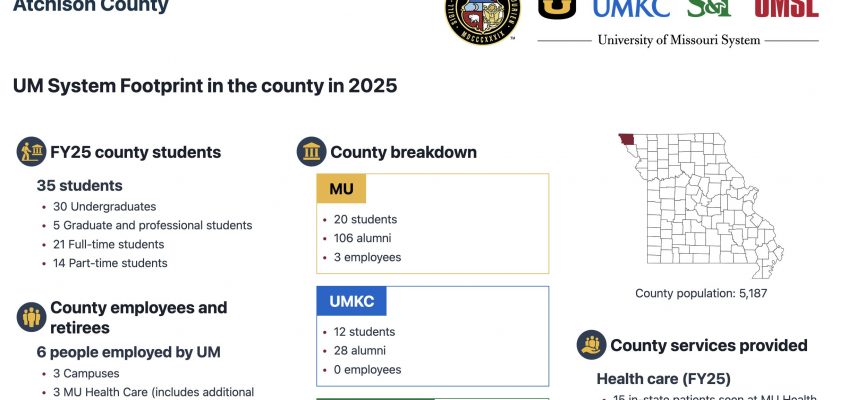
A screenshot of the Impact Reports map selection interface.

University of Missouri Impact Portal

The UM Impact Portal highlights the impact of the University of Missouri presence across Missouri. The Impact Report provides both aggregate and county-level university-specific statistics like the number of employees, students, and alumni in an area.

PHATE Global Viewer logo

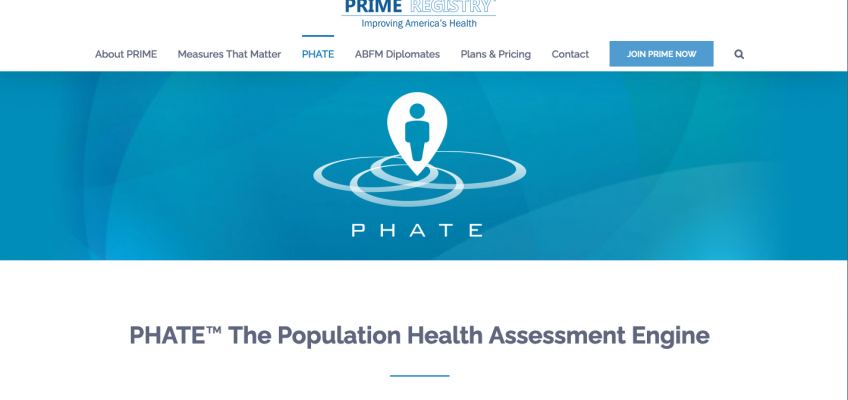
Public Health Assessment Engine (PHATE)

The Population Health Assessment Engine (PHATE) provides an investigative tool for physicians, hospitals, and clinics to visualize neighborhood characteristics and patient health risk factors in their service area. The tool integrates data from the American Board of Family Medicine’s (ABFM) Prime Registry database.

Missouri Ag Intel logo

Missouri Ag Intel

The Missouri Ag Intel portal promotes the growth of alternative crops among farmers in the state. This University of Missouri project has created a website to provide tools such as maps to visualize available nearby markets and farms as well as information on how to improve management skills (labor, sales, marketing, etc.) and learn about crop growing requirements (weather, soil type, etc.).

Missouri Community Action Network logo

Missouri Community Action Network

The Missouri Community Action Network Data Hub is designed to assist local Community Action Agency staff in the development of Community Needs Assessments (CNAs). Launched in the early 2000’s, Missouri CAN was our first Community Needs Assessment report. The Missouri CAN Data Hub provides access to core secondary indicators for assessing and addressing poverty. The Hub also provides Missouri CAA’s with access to state-sourced data and a full Map Room.